Raven Adler – A pioneer in ethical hacking

Raven Adler – A pioneer in ethical hacking

Raven Adler – A pioneer in ethical hacking

Raven Adler is an American cybersecurity expert and ethical hacker who made history at a young age by becoming the first woman to present at DEF CON, one of the world’s largest and most prestigious hacker conventions. Through her ethical hacking (or white-hat hacking) career, she mainly focused on doing penetration tests, testing how easily websites (that hired her) could be penetrated.


What is ethical hacking?

Ethical hacking is a fully legal form of hacking, as hackers use their skills for positive purposes, such as testing computer systems for their vulnerabilities before cybercriminals can exploit these oversights. They are hired by big companies to identify and fix flaws, making the internet safer. She has fixed an uncountable amount of businesses and, she even made her first computer! How cool!

If you want to learn more about Raven, click here!

About the author: This post was written by Scott Humphries, a student on the CyberSafeSchools Academy virtual work experience programme. The Academy provides secondary school and college students with structured, hands-on experience in cybersecurity and digital marketing. Find out more about the Academy →
The dangers of Phishing

The dangers of Phishing

The dangers of Phishing

Phishing is a form of hacking where hackers impersonate big organisations or individuals to trick people into providing sensitive information. This is typically done through E-mails and websites that appear to be from a legitimate source.

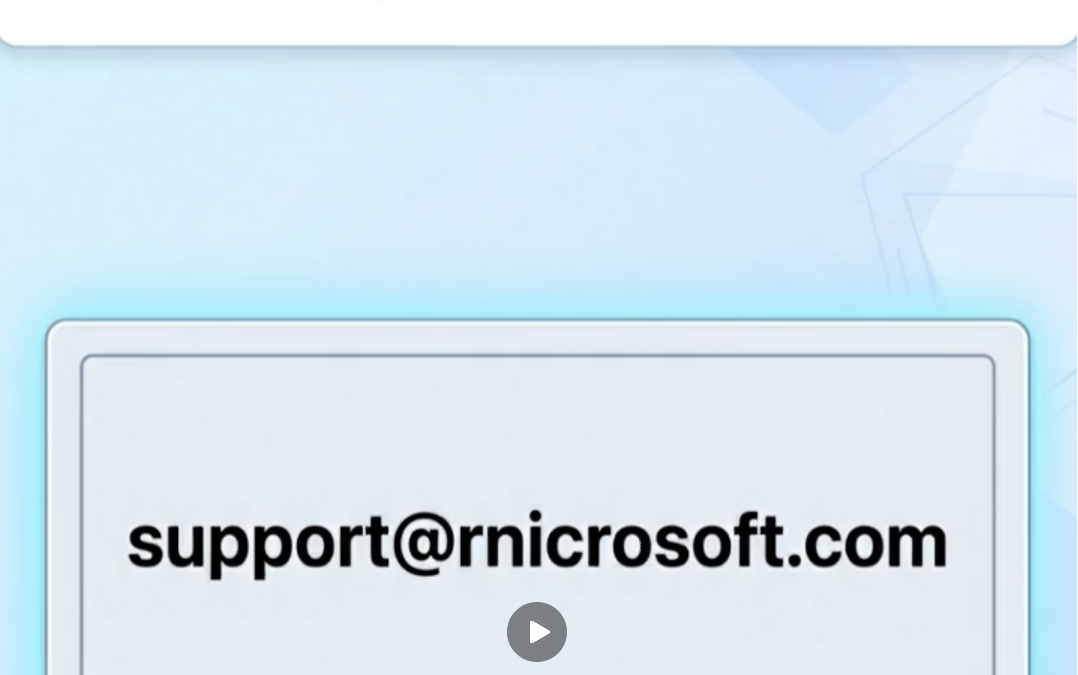
Some ways to spot dodgy websites set up by cyber criminals is by checking the url, or the long thing in the search bar that appears whenever you enter a website, or the email address of the person that sent you the email. For example, some hackers pretending to be from microsoft might put their email as “support@rnicrosoft.com”.
Can you spot the error there?
If you said that the “m” in microsoft is actually an “r” and an “n” next to each other, you would be correct! This is the easiest way to spot phishing, as they cannot use the same url or email tag (the bit after the “@” symbol) as big businesses.

If you want to learn more about phishing, hacking, or are just interested in this type of thing, click here!

If they are impersonating anyone, if on social media, just check their posts/ profile picture, because the impersonator doesn’t usuallly go that far as to change their social media posts to fit the person they are impersonating.

About the author – This was made by Scott Humphries, a student on the CyberSafeSchools Academy virtual work experience programme. The Academy provides secondary school and college students with structured, hands-on experience in cybersecurity and digital marketing.  Find out more about CyberSafeSchools →

Password strength and why it is so important

Password strength and why it is so important

The importance of password safety cannot be withstated, with the ever growing popularity of the internet, having a week password is the best thing for a hacker to see. So, always use different passwords for different accounts, and always follow the rules they state on the website.

A good example of a password includes “J0hn_sM1Th_111”, as it uses a mixture of capital and normal letters, with multiple special characters and numbers.

A bad example would be “johnsmith”, as many people are named that and it is most likely related to the email you used to set up the account, making it a bad password.

Click here to go to our academy page!

If you want to find out more about password safety, learn something new about cyber security, or even just look at our website, click here!

About author: This post was written by Scott Humphries,  a student on the CyberSafeSchools Academy virtual work experience programme. The Academy provides secondary school and college students with structured, hands-on experience in cybersecurity and digital marketing.

Cyber-Safe Academy: Work Experience Opportunities

Are you a secondary or college student? Interested in Cyber Security? Want to make a change for the good? Our website Cyber-Safe academy will give all the info you need about how to be Cyber-Safe and can include real virtual work experience. Join us today to make a change in cyber-security for good. 

CyberSafeSchools is a campaign where the goal is too bring awareness of cyber-security to secondary and college students. As cyber-attacks become more and more prevalent due to technology evolving, it is important for everyone to be aware on how to deal with these attacks and be safe. Which is where CyberSafeSchools along with Cyber-Safe Academy comes in to make a greater change for everyone. For further details if interested please visit our virtual work experience page via the button below.


This post was created by Joseph Orchard, a student on the CyberSafeSchools Academy virtual work experience programme. The Academy gives secondary school and college students hands-on experience in cybersecurity and digital marketing. Find out more at academy.cybersafe.school

How can Cyberattacks affect your school life?

How can Cyberattacks affect your school life?

How can Cyberattacks affect your school life?

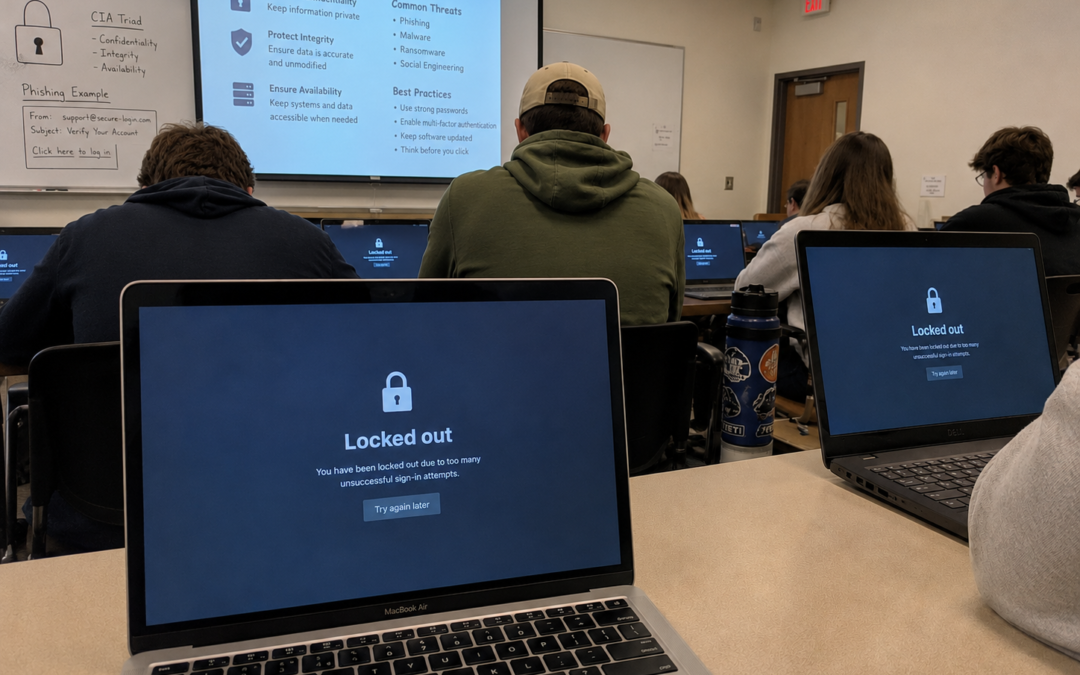
A recent Cyberattack against Canvas LLM has left students locked out of their accounts what are used to store all their study material and assignments right before their finals exam. Canvas is used globally throughout the world with over 30 million active users at 8,000 colleges. The hacking group ShinyHunters exploited a free teachers account lacking 2FA to breach the systems infrastructure gaining access to over 275 million individuals private data such as names, email addresses, student ids and private messages.

How can I start preventing these issues?

At CyberSafe Schools Academy we provide virtual work experience that can help accelerate your learning within the CyberSecurity sector to get you on the correct route to start preventing these issues before they even happen. Just click the button below to begin!

Contact Us

12 + 4 =

About the author: This post was written by Dylan Jones, a student on the CyberSafeSchools Academy virtual work experience programme. The Academy provides secondary school and college students with structured, hands-on experience in cybersecurity and digital marketing. Find out more about CyberSafeSchools →

CyberSafeSchools Academy – What our Work experience offers

CyberSafeSchools Academy – What our Work experience offers

CyberSafeSchools Academy – What our Work experience offers

CyberSafeSchools logo

CyberSafeSchools Academy

CyberSafeSchools Academy has the goal to spread cyber security awareness among students in secondary education while providing students with work experience that will give them the necessary skills for protecting both their own and their schools’ personal data.

Helping students learn how to avoid digital threats 

CyberSafeSchools Academy has the goal to teach secondary school students online safety so they can protect their personal data online, this includes teaching students cyber protection techniques and ways to identify cyber attacks before they take place, this is taught to students by giving them the chance to have real world experiance in cyber security through providing them with the oppertunity to assits in implementing security for their schools and allowing them to work on case studies of previous cyber-attacks. 

Once students have finished with their work experiance at CyberSafeSchools they will have gained problem-solving and technical skills to prepare them for future careers in cybersecurity. 

a classroom of cybersecurity students

Protection techniques taught at our academy

These are some of the protection techniques taught by the cybersecurity professionals at CyberSafeSchools Academy to help students better protect their schools personal data.

implementing and maintaing a firewall 

implementing anti-virus

cryptography methods 

Creating data backups 

Teaching the different cybersecurity threats for secondary schools

Trojan horse 

Trojans are malware that disguises itself as a useful application.

Ransomware

Ransomware is a form of maleware that encypts data until a ransom is payed.

Compromised passwords

Compromised passwords result in futher security attacks and legal issues for companies involved.

SQL injection

SQL injections are a type of cyber-attack where a cyber attacker uses a SQL query to gain unauthorised access to data.

Phishing 

Phishing is a tactic used by cyber attackers to make the victim had over their personal data by pretending to be a trusted source.

Identity theft

Identity theft can take place as soon as an attacker gains any acess to your personal data allowing them to achive finacial gain or commit a crime in another persons name.

If you’re interested in a cybersecurity career or in improving the cyber safety of your school then click here to learn more about the academy.

About the author: This post was written by Jack Davies, a student on the CyberSafeSchools Academy virtual work experience programme. The Academy provides secondary school and college students with structured, hands-on experience in cybersecurity and digital marketing. Find out more about CyberSafeSchools →