


Schools in the UK are Unprotected Against Cyberthreats

Schools in the UK are Unprotected Against Cyberthreats

Schools in the UK are Unprotected Against Cyberthreats

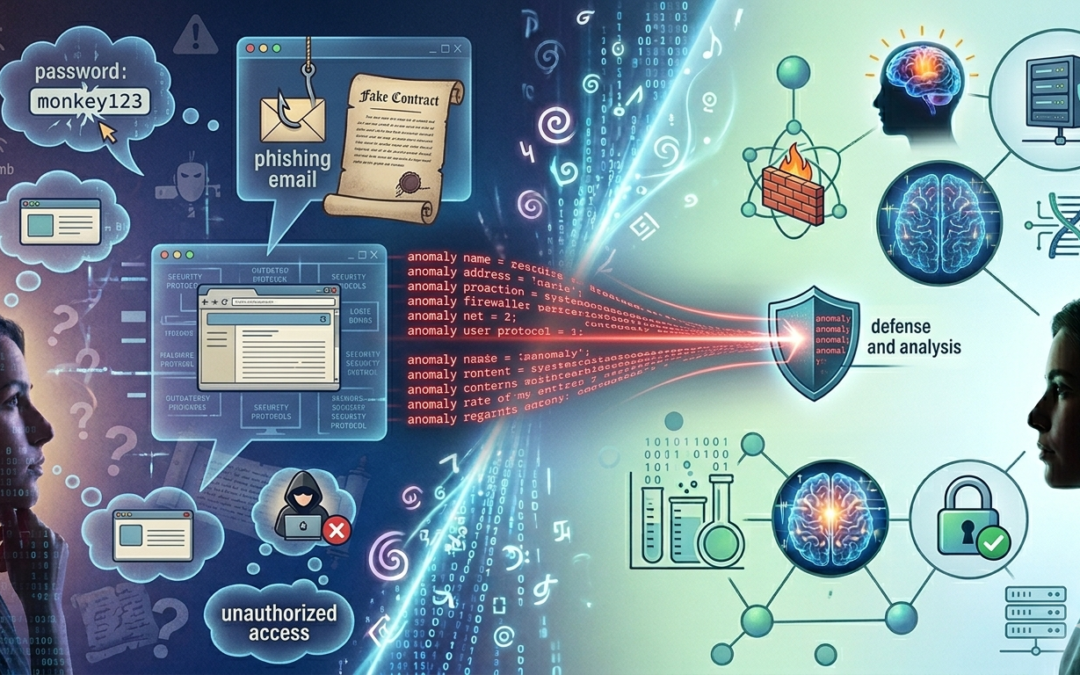
You think the risk of a cyberattack would be small to your school, but this is simply not true. Schools suffer the most from cyberattacks. This blog post will go over the number of attacks that schools face and the types of threats they face.

The Amount of Attacks

There is a large number of cyber attacks that schools are afflicted with. According to the Cyber Security Breaches Survey, most schools suffer from an attack every year. Around 44% of primary schools in the UK had a security breach in 2025, which is similar to the average for businesses. But for secondary schools, this number went up to 68%, which is nearly 1.5 times higher than the national average for business. Further education suffers the most, with 85%, and higher education institutions, universities, are even higher at 91%, nearly one hundred per cent. 

The Type of Attacks

There are many types of attacks that can occur to a computer system, and one attack may include multiple types. So this blog post won’t go over all of them. But will go over the two most prolific ones 

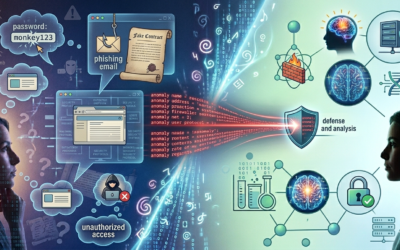
The majority of attacks are done through Phishing, around 90%, which is where the systems are attacked by getting a person to reveal sensitive data or create a vulnerability that a malicious actor can use. It relies on people’s ignorance about cybersecurity. There are other types of attacks that the education sector deals with, such as DDOS, around (denial of service), which around 5% of schools suffer from, except in further and higher education, which suffer 36% of the time with this. This attack spams the system with data, causing it to slow down, making it harder for the staff and students to use it.

If you wish to learn more about how to protect your school against these threats. learn more about us. 

About the author: This post was written by Bryn Cooper, a student on the CyberSafeSchools Academy virtual work experience programme. The Academy provides secondary school and college students with structured, hands-on experience in cybersecurity and digital marketing. Find out more about the CyberSafeSchools→
The Opportunities at CyberSafeSchools Academy

The Opportunities at CyberSafeSchools Academy

CyberSafeSchools prides itself on the number of different cybersecurity opportunities available to work experience students. In this article, we’ll go over the different options that are available at CyberSafeSchools Academy. As well as what students will be doing and what they will learn. 

Trainee Cyber Security Project Coordinator Badge

As a Trainee CyberSecurity Project Coordinator,  a student will help coordinate teams of people by helping plan, coordinate and ensure that everything is to CyberSafeSchools high standards. This will teach the student coordination skills in a real-world scenario that is applicable to any job inside or outside of cybersecurity.

Students in the Trainee Cyber Security Analyst role will aid in spotting possible threats to their school’s cybersecurity by analysing network data and monitoring data, using cutting-edge tools to support them along the process. Teaching the students about how to see threats to their schools before they even happen.

Trainee Cyber Security Analyst badge
Trainee Cyber Security System Administrator badge

Trainee Cyber Security System Administrator is a role in which the student will manage an IT system, ensuring its security by helping maintain the system’s security, setting up new users and applying settings to secure the system. Teaching the student about how to maintain a secure system and the procedures that need to happen to keep their school protected.

Trainee Cyber Security Trainer badge

This role is all about teaching others about cybersecurity. In the Trainee Cyber Security Trainer role, students will create and deliver training material about cybersecurity for their schools. To help improve the school’s awareness of cybersecurity and their own, as well as the process that goes into ensuring people know about cybersecurity.

If you are interested in any of these opportunities or are unsure which role you would like to pursue, head to our wizard to learn more or apply today.

About the author: This post was written by Bryn Cooper, a student on the CyberSafeSchools Academy virtual work experience programme. The Academy provides secondary school and college students with structured, hands-on experience in cybersecurity and digital marketing. Find out more about the CyberSafeSchools →

Common Myths We All Believe in & What is the Reality?

Common Myths We All Believe in & What is the Reality?

Common Myths We All Believe in & What is the Reality?

There are various myths about cybersecurity, can you spot all of them?

CyberSafeSchools Academy, school cybersecurity, Educational Technology

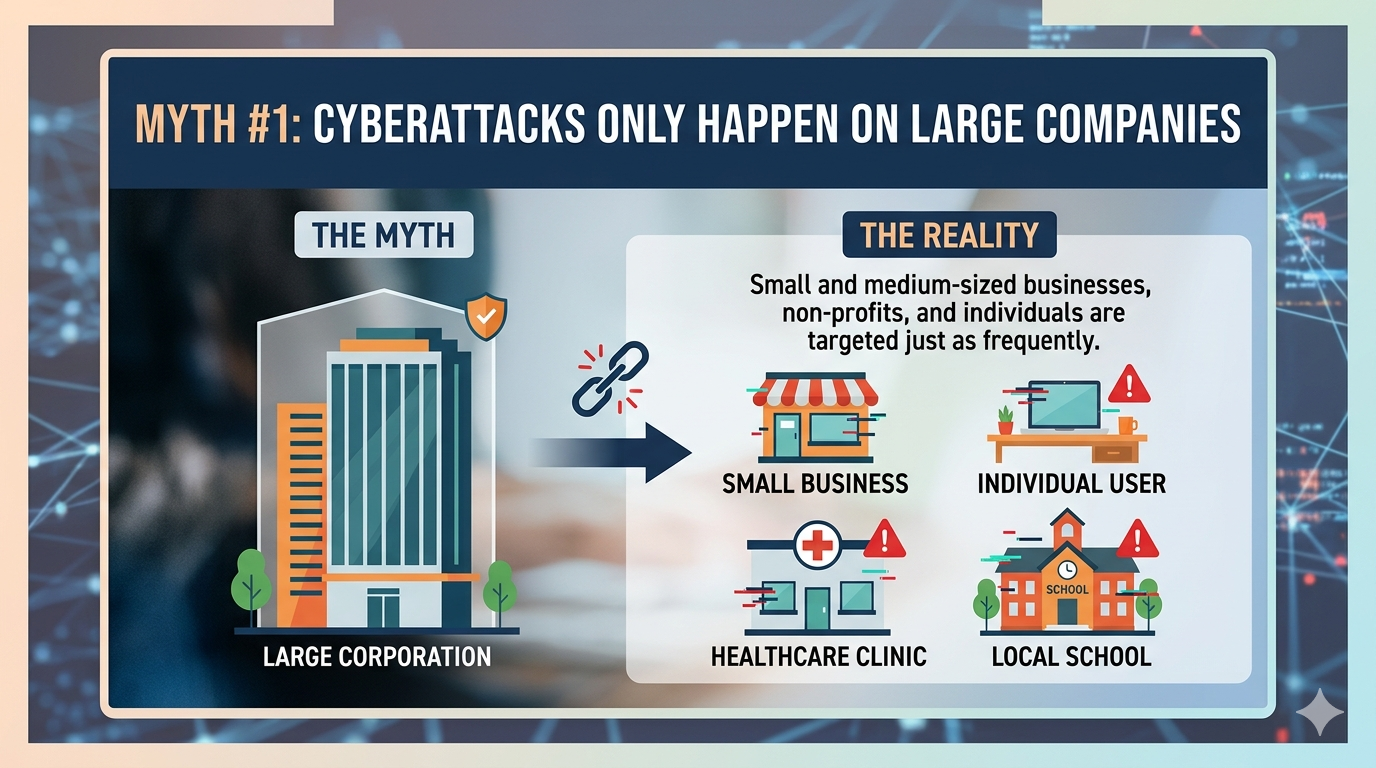
Myth #1: Cyberattacks only happen on large companies.

Reality: Everyone has a chance of being cyber attacked, including small businesses, individuals, or even your schools. In fact, around 50% of schools reported that they have experienced data breaches, according to the official survey in 2025. This means any online presence is vulnerable, regardless of the value.

Infographic of Cyberattacks only happen on large companies.

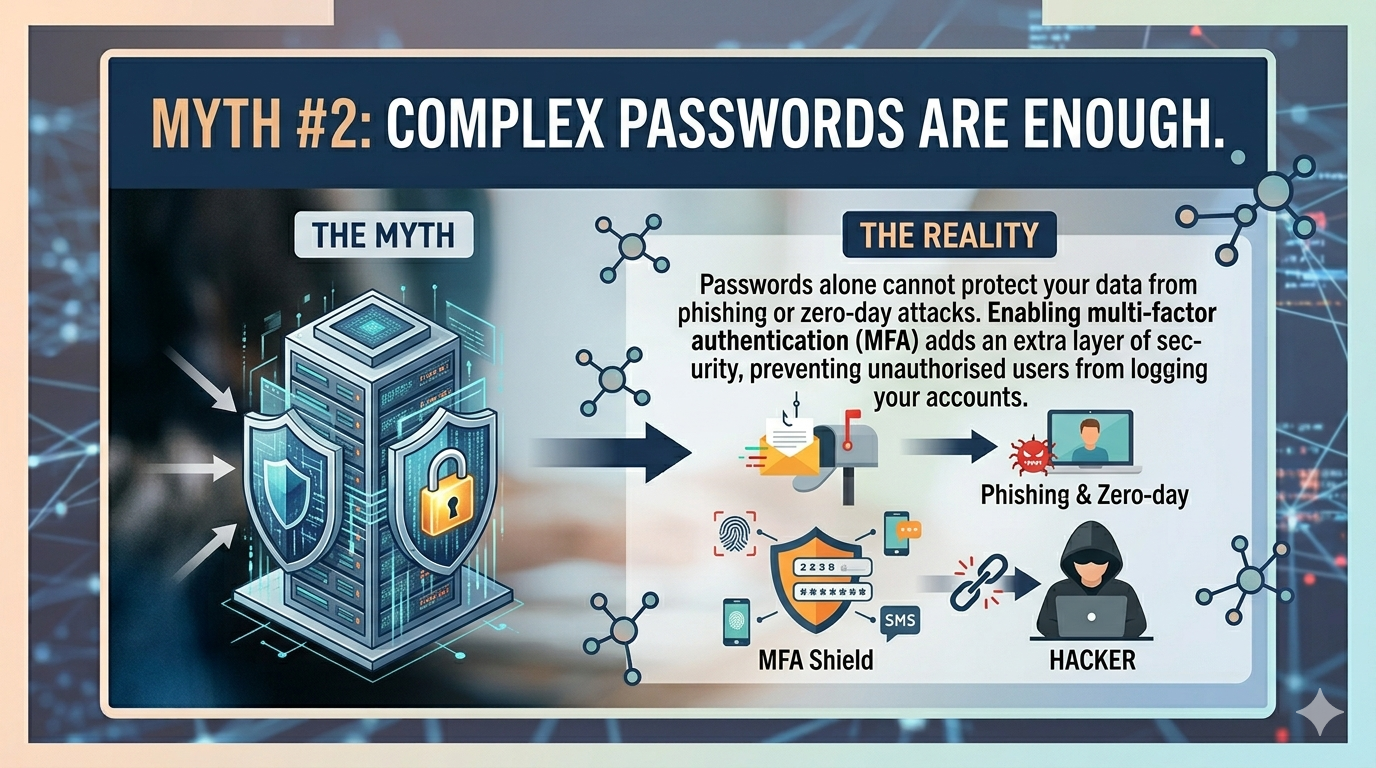
Myth #2: Complex passwords are enough.

Reality: Passwords alone cannot protect your data from phishing or zero-day attacks. Enabling multi-factor authentication (MFA) if you can adds an extra layer of security, preventing unauthorised users from logging onto your accounts.

Infographic of Complex passwords are enough.

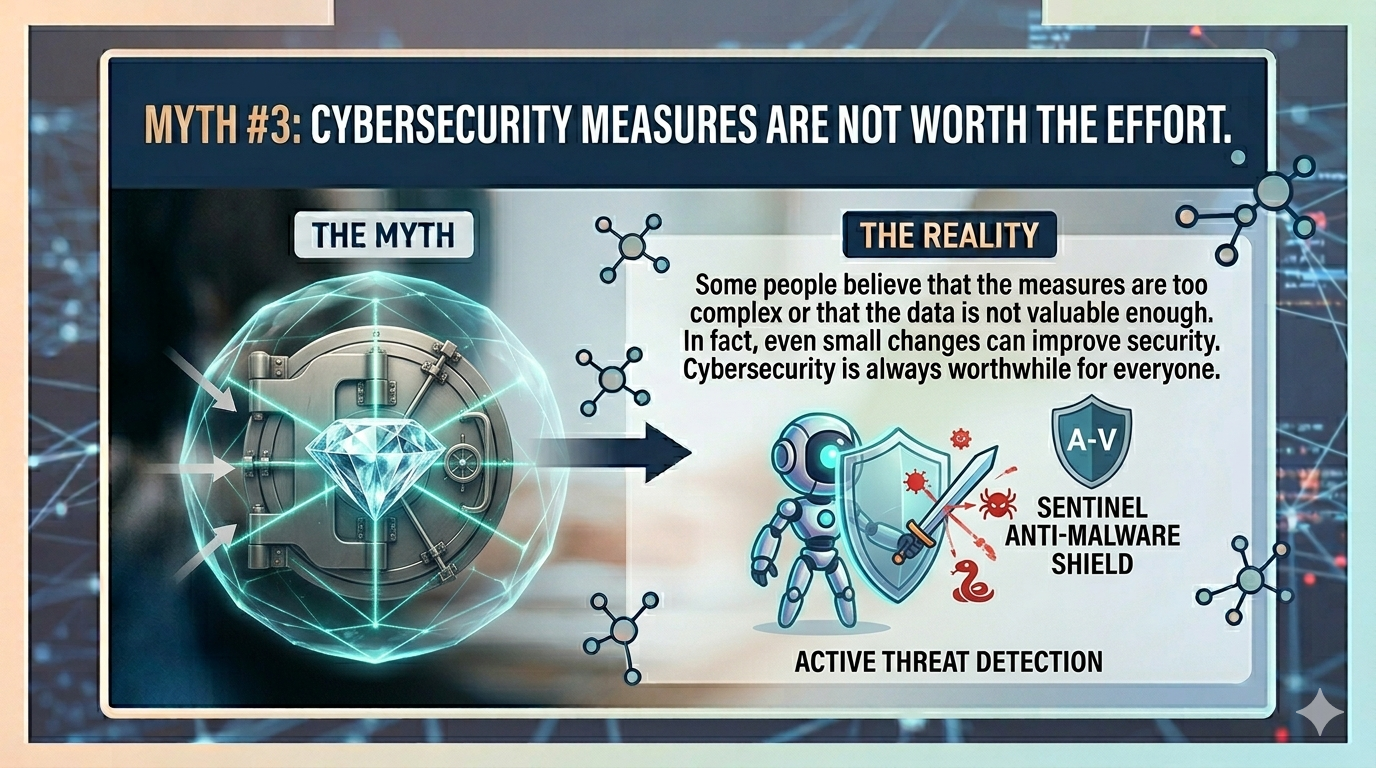
Myth #3: Cybersecurity measures are not worth the effort.

Reality: Some people believe that the measures are too complex or that the data is not valuable enough. In fact, even small changes, such as avoiding password reuse, installing anti-virus software, and recognising scam messages, can improve security. Cybersecurity is always worthwhile for everyone.

Infographic of Cybersecurity measures are not worth the effort.

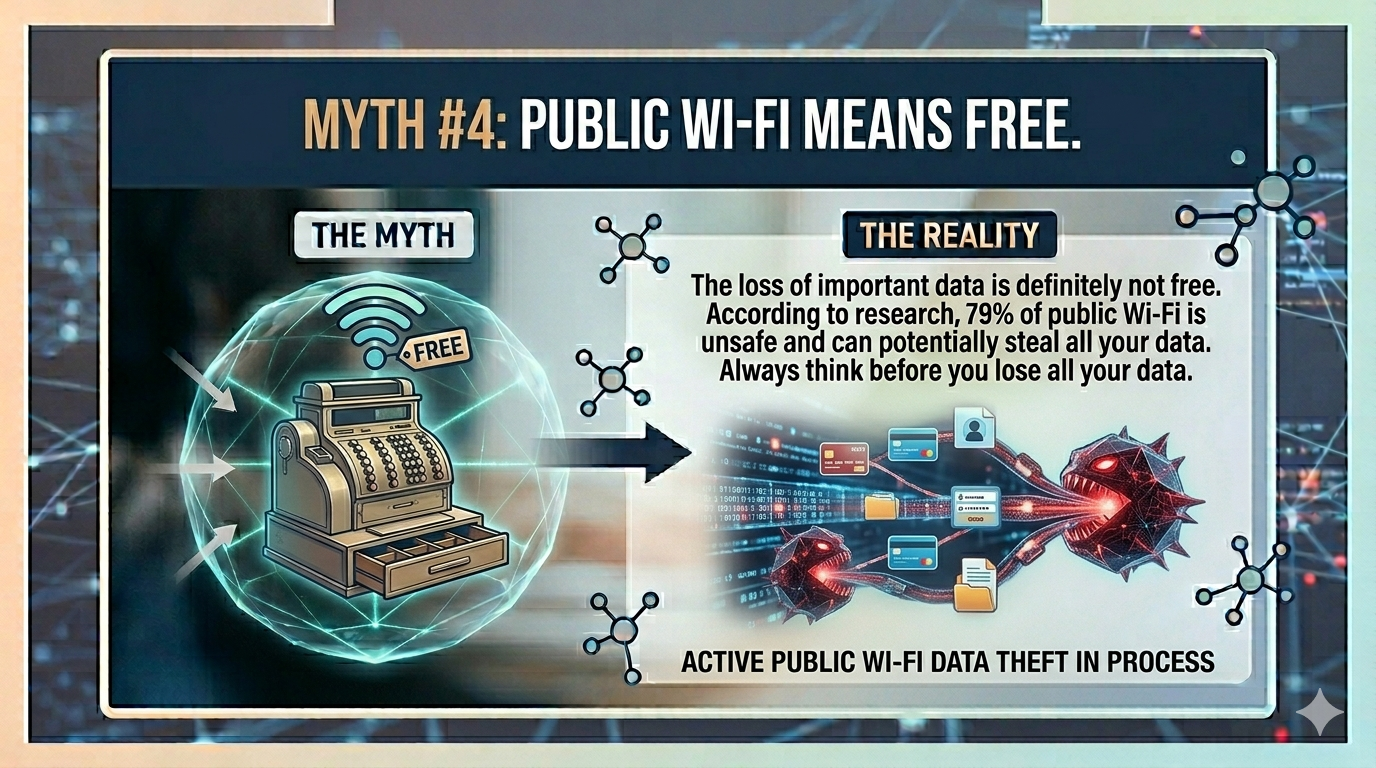
Myth #4: Public Wi-Fi means free.

Reality: The loss of important data is definitely not free. According to research, 79% of public Wi-Fi is unsafe and can potentially steal all your data. Always think before you lose all your data.

Infographic of Public Wi-Fi means free.

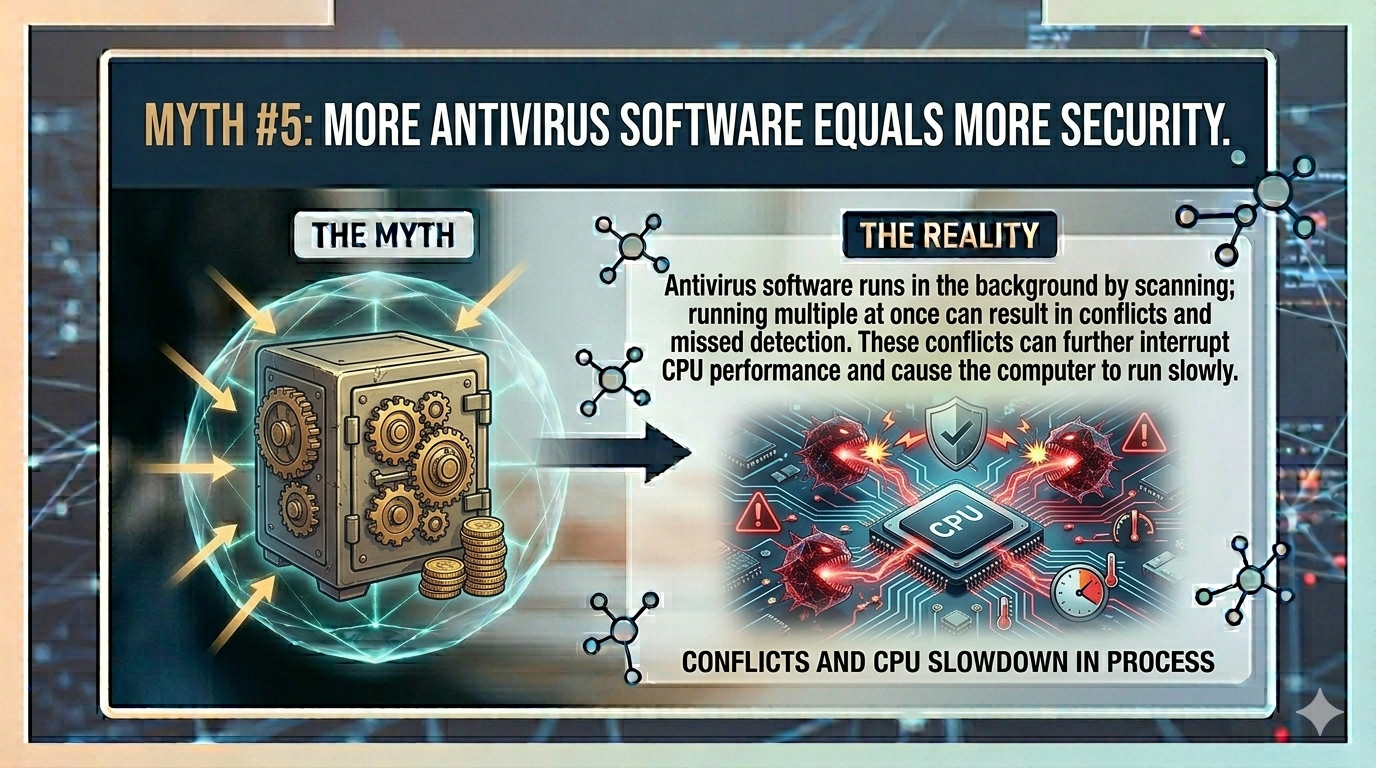
Myth #5: More antivirus software equals more security.

Reality: Antivirus software runs in the background by scanning; running multiple at once can result in conflicts and missed detection. These conflicts can further interrupt the CPU performance and cause the computer to run slowly.

Infographic of More antivirus software equals more security.

Want to learn more about cybersecurity? You are at the right place!

About the author: This post was written by Hung-Yu Wu, a student on the CyberSafeSchools Academy virtual work experience programme. The Academy provides secondary school and college students with structured, hands-on experience in cybersecurity and digital marketing. Find out more about CyberSafeSchools at cybersafe.school

Cybersecurity Skills are Becoming Essential for UK Students and Here’s How You Can Start Early.

Cybersecurity Skills are Becoming Essential for UK Students and Here’s How You Can Start Early.

Cybersecurity Skills are Becoming Essential for UK Students and Here’s How You Can Start Early.

With more schools facing cyber threats, you now have the opportunity to gain real experience.

CyberSafeSchools Academy, school cybersecurity, student experience

Cybersecurity is becoming a trend nowadays, especially in UK schools. Reports show that a large number of educational institutions have faced cyber incidents in recent years.

As modern technology continues to grow, students are now not just Internet users but also potential targets for attackers. This makes cybersecurity awareness more important than ever.

Learning cybersecurity can help you:

  • Stay safe online
  • Protecting your data and the data of those around you
  • Preparing for future careers

How to Start Building your Skills

CyberSafeSchools Academy, which is developed by CyberSafeSchools, is designed for secondary school students.

Through practical learning, CyberSafeSchools Academy helps students understand how cyberattacks happen and how to protect their systems.

Gain Real-world Experience

Work on realistic cybersecurity scenarios with real case studies.

Explore Career Pathways

Understand roles in cybersecurity before stepping into university.

Build Practical Skills

Develop knowledge that is not taught in schools.

Real Work, Real Skills, Real Impacts

Unlike repetitive learning in classrooms, CyberSafeSchools Academy allows students to experience what working in cybersecurity actually feels like. From identifying threats and discovering system vulnerabilities, all the way to learning in real practice.

Gaining these skills early can provide students with strong advantages. Those interested in developing cybersecurity skills can explore our websites to learn more about opportunities.

What are you waiting for? Come and join us!

About the author: This post was written by Hung-Yu Wu, a student on the CyberSafeSchools Academy virtual work experience programme. The Academy provides secondary school and college students with structured, hands-on experience in cybersecurity and digital marketing. Find out more about CyberSafeSchools at cybersafe.school

Real Cybersecurity Work Experience Starts Here

Real Cybersecurity Work Experience Starts Here

Real Cybersecurity Work Experience Starts Here

Meet the Students Creating Content for UK Schools

 This is what real work experience looks like. Not a worksheet. Not a simulation. Real articles, researched and written by real students, published on a live website read by school leaders, IT professionals, and Designated Safeguarding Leads across the UK. The CyberSafeSchools Student Campaign is now live. What is the Student Campaign? A group of students completing virtual work experience with CyberSafeSchools has been commissioned to plan and deliver a social media and content campaign across four themes — each targeting a different professional audience in UK schools.

That is what this programme builds. If you are exploring cybersecurity as a career, whether in technical security, policy, education, or communications, the Academy work experience programme gives you a portfolio entry you can actually show an employer.

Read the first articles. Then find out how to apply.

Browse the From the Team section to read what students have already published.

Then visit the Academy homepage to find out how to register your interest in the next cohort.

Protecting and defending our educators — together.


Why does this matter for your career?

 Employers in cybersecurity, digital marketing, and technology want evidence. Not grades BUT evidence. A published article on a professional website. A social media campaign with real analytics data. An optimised post that actually appears in search results.

Cybersecurity careers do not wait. Neither should you.

Subscribe Now

New content is published regularly. Use the subscribe option below to receive updates directly to your inbox — so you never miss guidance that could protect your school.

This post was produced by students completing virtual work experience with CyberSafeSchools as part of the BTEC Level 3 National Diploma in Computing at Coastland College. All content is reviewed and approved by CyberSafeSchools before publication.

You May Also Like…

Ready to join our Academy?

Join Us and Make a Difference

Are you a UK secondary school pupil passionate about technology and security? Do you want to make your school a safer place? Join CyberSecure Schools Academy and become part of the next generation of cyber defenders.

Welcome ‘From the Team’

Welcome ‘From the Team’

Welcome ‘From the Team’

Student Voices from the CyberSafeSchools Academy


This page is a little different from most cybersecurity blogs.

Everything published here has been researched, written, and produced by students completing the CyberSafeSchools virtual work experience programme. These are real young people, exploring real cybersecurity topics, as part of a genuine work placement with CyberSafeSchools.


What you will find here:

  • Articles on cybersecurity careers — what the roles are, what the pathways look like, and how to get started
  • Awareness content on the threats that affect schools and students today
  • Reflections on the Academy experience and what working in cybersecurity actually involves
  • Content created for real audiences, not just for a grade


Subscribe Now

New content is published regularly. Use the subscribe option below to receive updates directly to your inbox — so you never miss guidance that could protect your school.

Four cybersecurity professionals working together with multiple screens and holographic interface in a neon-lit room.

Every piece is reviewed and approved before it goes live. The students behind this page are the next generation of cybersecurity professionals — and this is where their work begins.

If you are a student thinking about a career in cybersecurity, a Careers Lead looking for meaningful work experience opportunities for your pupils, or simply curious about what the CyberSafeSchools Academy involves — explore the articles below and subscribe for updates.

The team is just getting started. Watch this space.

This post was produced for students completing virtual work experience with CyberSafeSchools as part of the BTEC Level 3 National Diploma in Computing at Coastland College. All content is reviewed and approved by CyberSafeSchools before publication.

You May Also Like…